Tenant Rights and Responsibilities: What Every Renter Should Know
A plain-language overview of the rights tenants commonly have, from habitable housing and privacy to deposit returns, along with the responsibilities that keep a tenancy running smoothly.
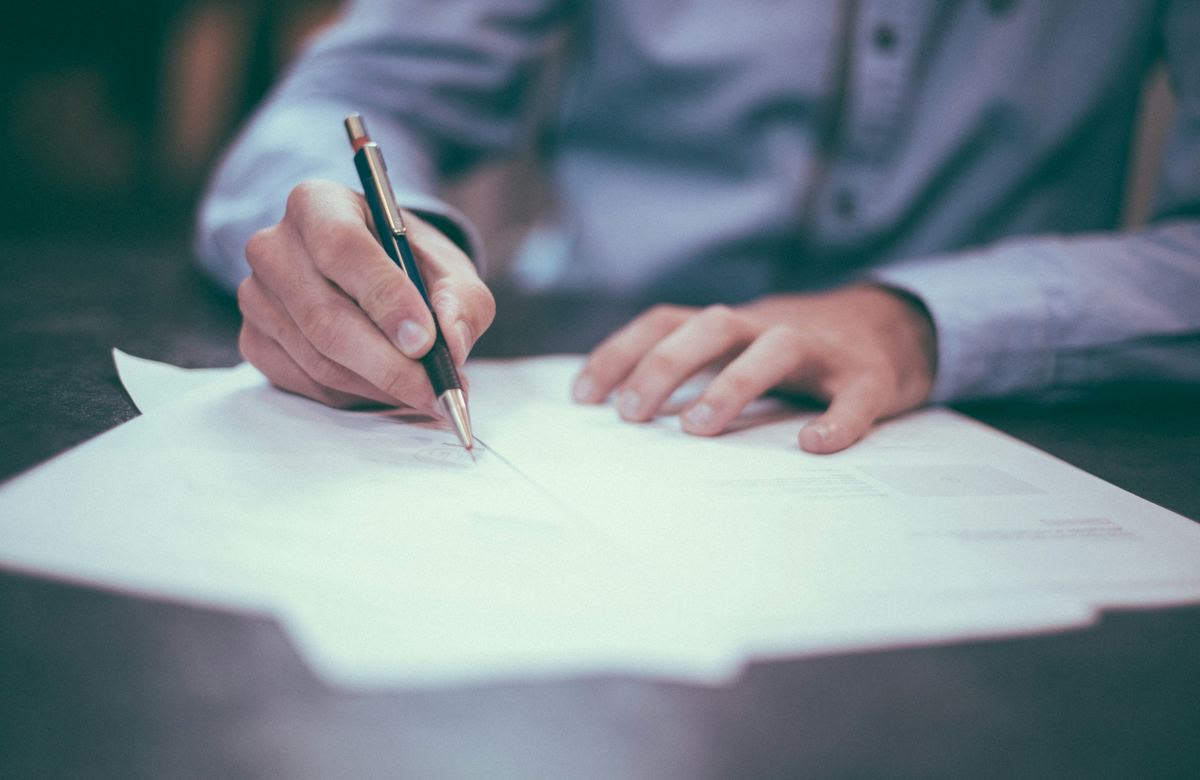
A lease is a two-way agreement. Tenants pay rent and look after the home; landlords provide safe, functioning housing and respect the tenant's right to live there peacefully. The details vary by jurisdiction, but most places share a common set of principles. Understanding them helps prevent disputes and resolve them fairly when they arise.
Common tenant rights
A safe and habitable home
In most jurisdictions, landlords must keep the property fit to live in: working plumbing, heating, electricity and water, a structurally sound building and freedom from serious hazards. Requests for essential repairs should be made in writing, and landlords are generally expected to respond within a reasonable time.
Privacy and quiet enjoyment
Landlords usually need to give advance notice — often 24 to 48 hours — before entering, except in emergencies. Tenants have the right to use the home without unreasonable interference.
Fair treatment
Fair housing laws in many countries prohibit discrimination based on characteristics such as race, religion, national origin, sex, disability or family status. Some cities add protections for source of income.
Security deposit protections
Many places cap the amount of the deposit, require it to be held in a protected account, and set deadlines for returning it with an itemized list of deductions. Normal wear and tear usually cannot be charged to the tenant.
Proper notice and due process
Rent increases, lease non-renewals and evictions generally require written notice and must follow legal procedures. Landlords typically cannot change locks or remove belongings to force a tenant out.
Rent regulation
Some cities limit how much rent can increase each year, including New York, San Francisco, Paris and parts of Canada. Check whether your unit is covered.
Tenant responsibilities
- Pay rent on time and in the agreed way.
- Keep the home clean and dispose of rubbish properly.
- Report problems promptly, especially leaks, which can cause major damage if ignored.
- Avoid damage beyond normal wear and tear, and pay for damage caused by you or your guests.
- Follow the lease on pets, occupants, subletting and alterations.
- Respect neighbors and building rules.
- Give proper notice before moving out.
How to handle a dispute
- Communicate in writing and keep copies of messages, photos and receipts.
- Refer to the specific clause in your lease and to local regulations.
- Propose a reasonable solution and a timeline.
- If that fails, contact a local tenant association, housing authority or mediation service.
- For serious issues, seek advice from a qualified housing lawyer.
Tips for getting your deposit back
- Document the condition of the home with dated photos at move-in and move-out.
- Clean thoroughly and repair small damage before leaving.
- Return all keys and provide a forwarding address in writing.
Looking for your next home? Browse rentals on EstateFull and send inquiries directly to the listing team. Landlords can learn more in our guide to screening tenants fairly.
This is a general overview, not legal advice. Laws differ by country, state and city.