

House Hacking: Living for Less While Building Equity
House hacking means living in a property while renting out part of it. Learn the most common approaches, the financing advantages, the numbers to run and the realities of living next to your tenants.
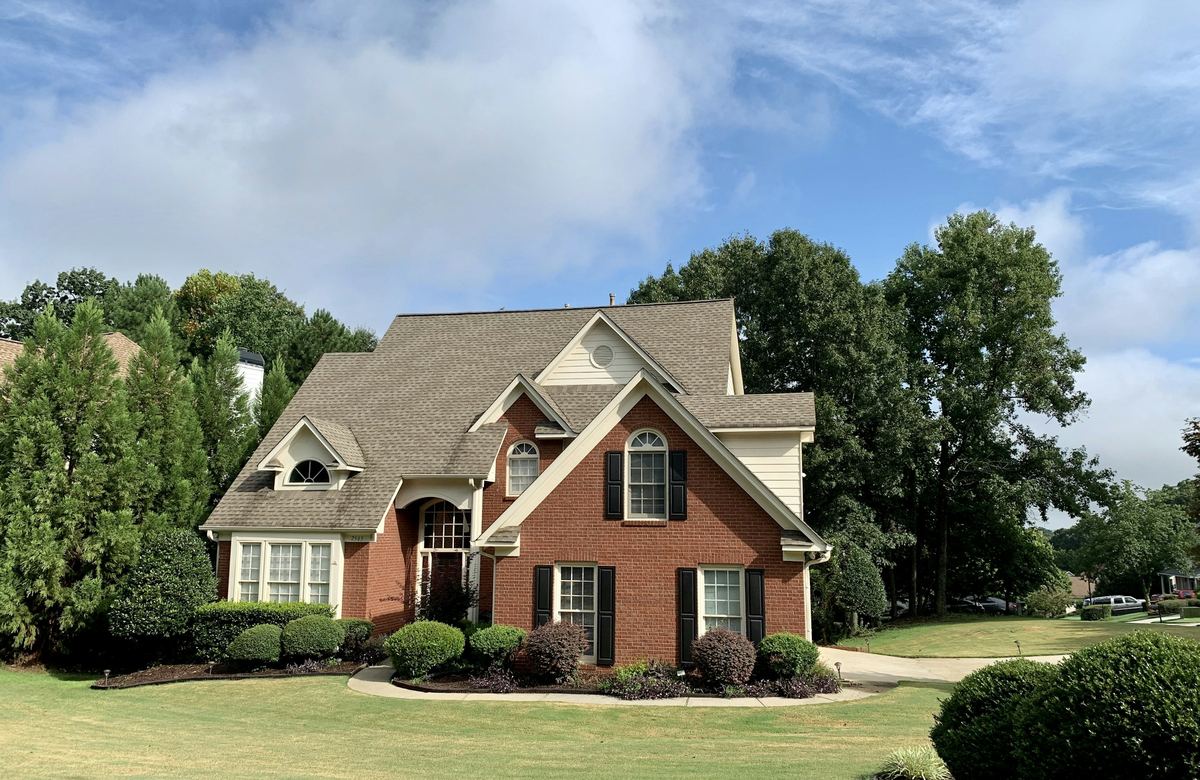
House hacking is one of the most accessible ways to start in real estate. You buy a home, live in part of it and rent out the rest. The rent offsets your housing cost, sometimes covering it completely, while you build equity and learn how to be a landlord on a small scale.
Common ways to house hack
- Small multifamily: buy a duplex, triplex or fourplex, live in one unit and rent the others.
- Renting rooms: buy a house with extra bedrooms and rent them to housemates.
- Accessory dwelling unit (ADU): rent a basement apartment, garage conversion or backyard cottage, where local rules allow.
- Live-in-then-rent: live in a home for a year or two, then move and keep it as a rental.
Why it works financially
Owner-occupied loans generally offer lower down payments and interest rates than investment-property loans. In the United States, for example, some programs allow owner-occupants to buy properties of up to four units with a smaller down payment than a pure investor would need. Lenders may also count part of the expected rent from the other units toward your qualifying income.
Run the numbers
- Estimate the full monthly cost: mortgage, taxes, insurance, utilities, maintenance and reserves. Our mortgage calculator helps with the loan part.
- Estimate realistic rent for the units or rooms you will rent, using local rental listings.
- Subtract vacancy and repairs.
- Compare your net housing cost with what you pay in rent today.
- Check how the property performs as a full rental after you move out.
The lifestyle trade-offs
- You live next to your tenants, so boundaries and clear rules are essential.
- Privacy is reduced, especially when renting rooms.
- You are on call for repairs.
- Screening matters even more when you share a building. Read how to screen tenants fairly.
Legal and practical checks
- Confirm zoning and that units or ADUs are legal and permitted.
- Check local rental registration, licensing and safety requirements.
- Understand rent regulations and tenant protections that may apply even in owner-occupied buildings.
- Get insurance that covers rental use.
- Follow the occupancy requirements of your loan.
Is house hacking right for you?
House hacking suits people who are comfortable sharing space or a building, want to reduce living costs and are interested in growing a portfolio over time. It is also an excellent way to learn property management before buying a property you will not live in. Browse small multifamily homes and houses for sale to see what is available, and read Property Management 101 before your first tenant moves in.
Loan programs and rental rules vary by location. This article is general information only.