
Home Renovations That Add the Most Value (and Those That Don't)
Not every renovation pays for itself. Learn which improvements tend to recover the most value at sale, which ones rarely do, and how to plan a project that suits both your life and your budget.
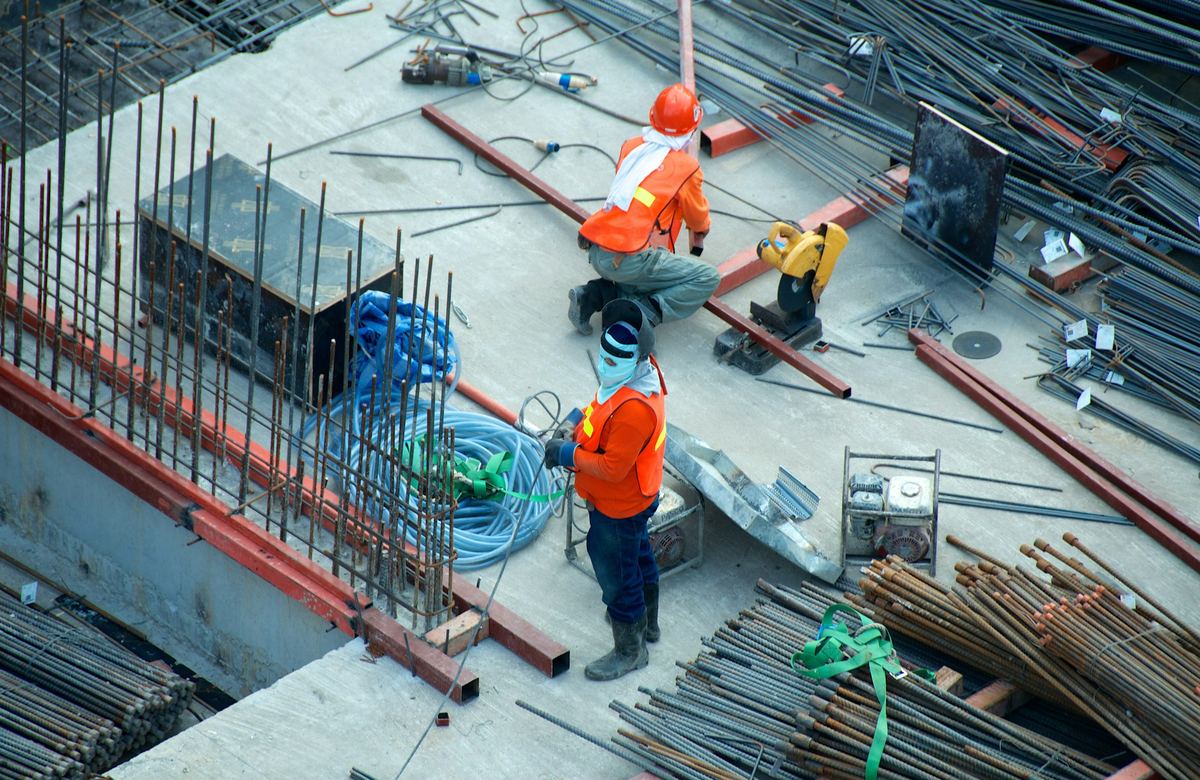
Renovations can make a home more comfortable, more efficient and more appealing to buyers. But spending $80,000 on a project does not mean your home is worth $80,000 more. Industry cost-versus-value studies consistently show that modest, well-chosen updates recover a higher share of their cost than large luxury projects. Here is how to think about it.
Improvements that usually offer good value
Curb appeal and the front entry
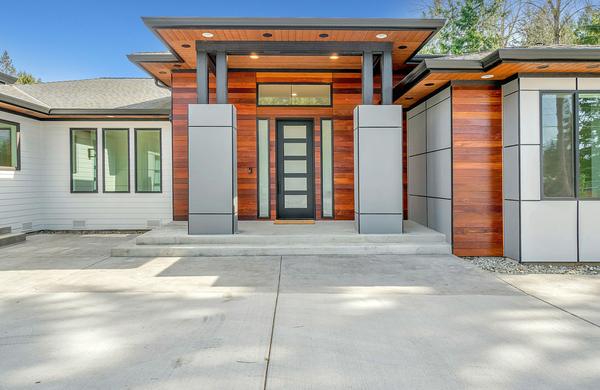
A new front door, garage door, fresh paint, tidy landscaping and good exterior lighting change the first impression for a relatively small investment. These projects often appear near the top of resale value rankings.
Minor kitchen updates
Refacing or painting cabinets, new hardware, updated counters, a modern sink and faucet, and energy-efficient appliances can refresh a kitchen at a fraction of the cost of a full remodel.
Bathroom refresh
Replacing a vanity, regrouting or retiling, updating fixtures and improving ventilation and lighting make a bathroom feel new without moving plumbing.
Paint and flooring
Neutral interior paint and replacing worn carpet with durable hard flooring are among the most cost-effective updates before selling or renting.
Energy efficiency
Insulation, air sealing, efficient heating and cooling and better windows can reduce bills and appeal to buyers and renters. See energy-efficient upgrades.
Adding usable space
Converting an under-used basement or attic into a legal bedroom or office can add significant value in markets where space is scarce, provided it meets building codes and is properly permitted.
Projects that often recover less
- Luxury kitchen and bath remodels with high-end finishes that exceed neighborhood norms.
- Swimming pools in climates where buyers see them as maintenance and liability rather than an asset.
- Highly personal design choices, such as bold colors or unusual layouts.
- Converting a garage in areas where parking is valued.
- Removing bedrooms to create a larger suite, which can reduce the home's appeal to families.
The neighborhood ceiling
Every neighborhood has a practical price ceiling. If your home is already among the most expensive on the street, further upgrades are unlikely to be fully reflected in the sale price. Look at recent sales nearby, or browse homes for sale in your area, before deciding how far to go.
Plan the project properly
- Define the goal: selling soon, renting out, or enjoying the home for years?
- Get several quotes and check contractor licences, insurance and references.
- Budget a contingency of 10–20% for surprises, especially in older homes.
- Obtain permits. Unpermitted work can create problems when you sell.
- Stage the work so the home remains livable if you stay during the project.
Renovations for rental properties
For landlords, durability matters more than luxury. Hard-wearing flooring, quality fixtures, neutral finishes and in-unit laundry can raise rents and reduce turnover costs. Investors using the BRRRR strategy rely on renovations that increase both rent and appraised value.
Value recovery varies by market and project. Figures and rankings from cost-versus-value studies are averages, not guarantees.